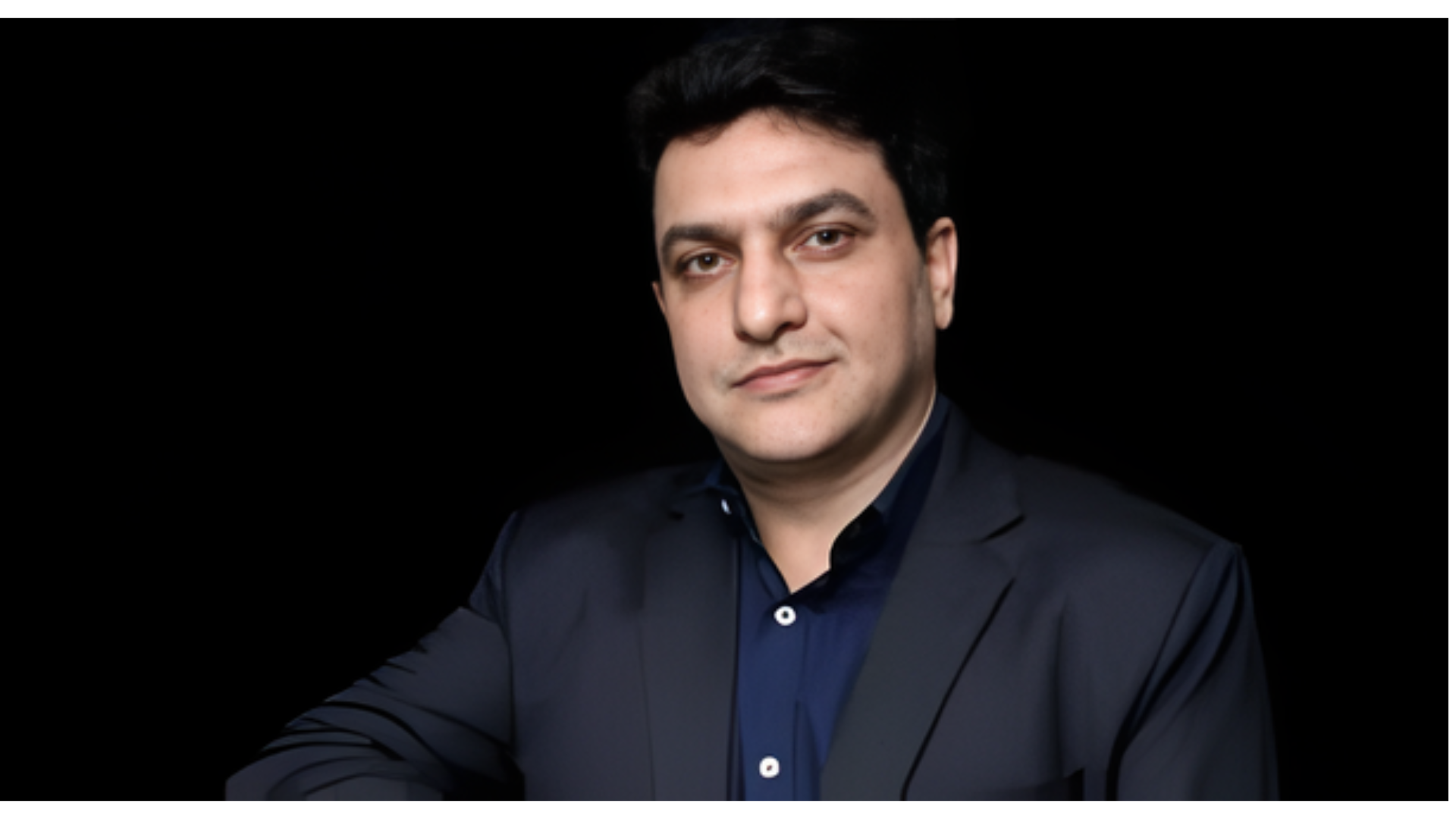
In an era of fragmented audiences and platform-first consumption, Ashish Sehgal, CEO of Times Network, believes the future of media lies in a simple but powerful principle: create once, distribute intelligently. According to Sehgal, content today must be designed with adaptability in mind, allowing it to travel seamlessly across formats, languages, and platforms without losing its core impact.
He explains that audiences no longer consume content in a single, predictable way. A news story might begin as a television bulletin, evolve into short-form digital clips, become a social media conversation, and finally live on as an on-demand video or podcast. “The challenge is not content creation alone,” Sehgal notes, “but how efficiently that content is repurposed and distributed to meet audiences where they already are.”
Sehgal emphasizes that smart distribution is driven by data, platform insights, and audience behavior, not guesswork. Understanding when, where, and how users engage allows networks to extend the life of a single piece of content while maximizing reach and relevance. This approach also helps media organizations maintain consistency in messaging while catering to diverse consumption habits.
He also points to technology and AI as key enablers in this strategy, helping streamline workflows, automate content adaptation, and personalize distribution at scale. By combining editorial strength with tech-led efficiencies, media houses can remain agile without compromising credibility.
For Times Network, this philosophy ensures that quality journalism travels beyond traditional television screens and resonates across digital-first ecosystems. As Sehgal puts it, the real win lies not in creating more content, but in making existing content work harder, smarter, and wider in a rapidly evolving media landscape.