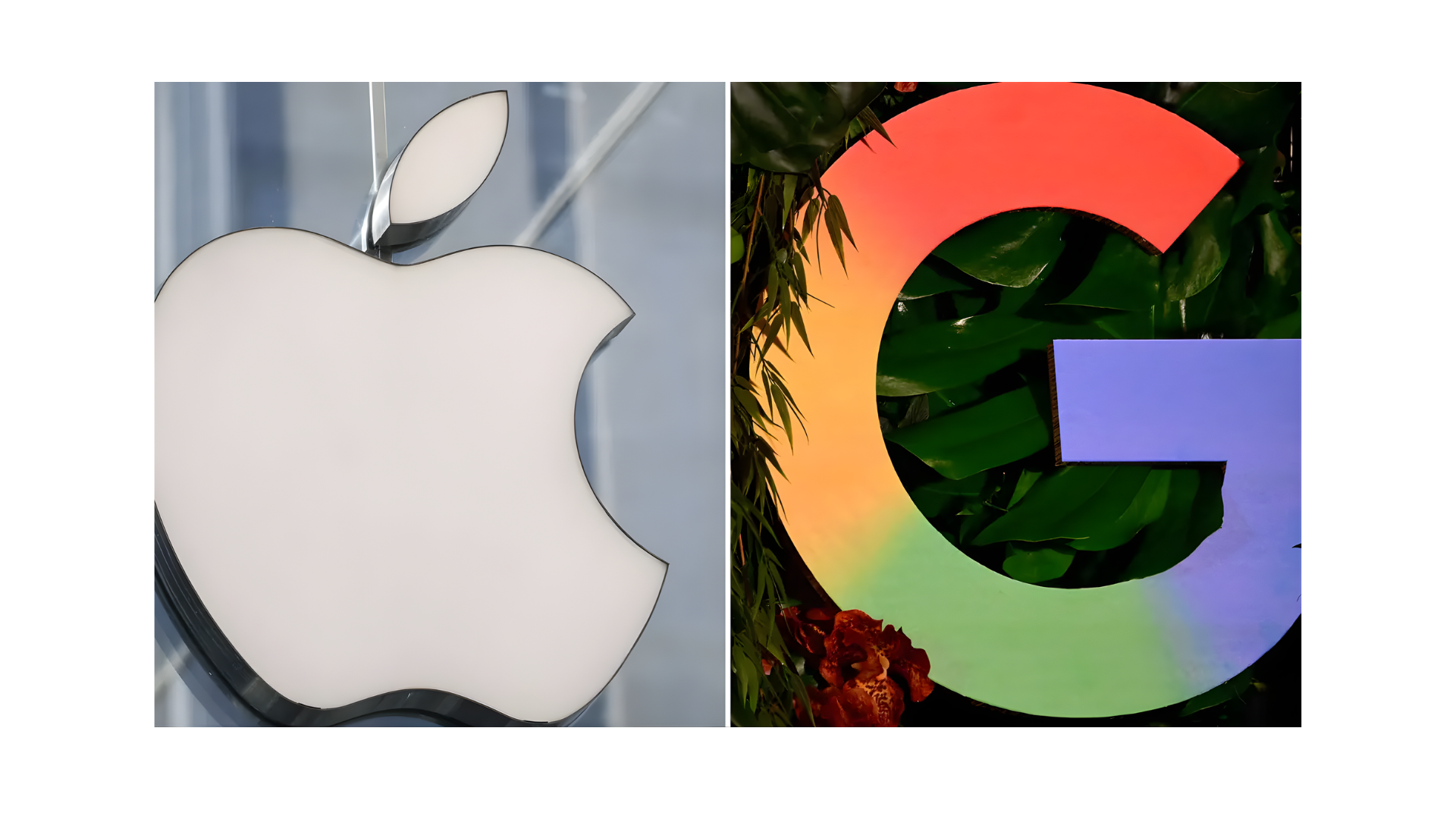
Apple appears to be making a strategic course correction in its artificial intelligence journey. After years of positioning Siri as the cornerstone of its AI ambitions, the Cupertino-based tech giant is now reportedly looking towards Google’s AI capabilities to strengthen its ecosystem—marking a significant shift in approach.
Siri, once introduced as a revolutionary voice assistant, has struggled to keep pace with rapid advancements made by rivals such as Google Assistant and OpenAI-powered tools. Despite continuous updates, Apple’s in-house AI efforts have been criticised for lagging behind in areas like contextual understanding, generative responses, and real-time intelligence.
Recent developments suggest that Apple is exploring deeper integration with Google’s AI models to bridge this gap. Rather than relying solely on internal innovation, Apple seems willing to collaborate externally to deliver more advanced AI-driven experiences to its users. This move underlines the growing pressure on Apple to stay competitive in an era where AI is reshaping smartphones, operating systems, and digital services.
The potential collaboration does not signal the end of Siri, but rather a reinvention. By combining Apple’s hardware strength, privacy-first ecosystem, and Google’s mature AI infrastructure, the company could significantly enhance user experience across iPhones, iPads, and Macs.
Apple’s AI U-turn reflects a broader industry trend: even the biggest tech players are recognising that collaboration, not isolation, may be the key to staying ahead in the fast-evolving AI race.